
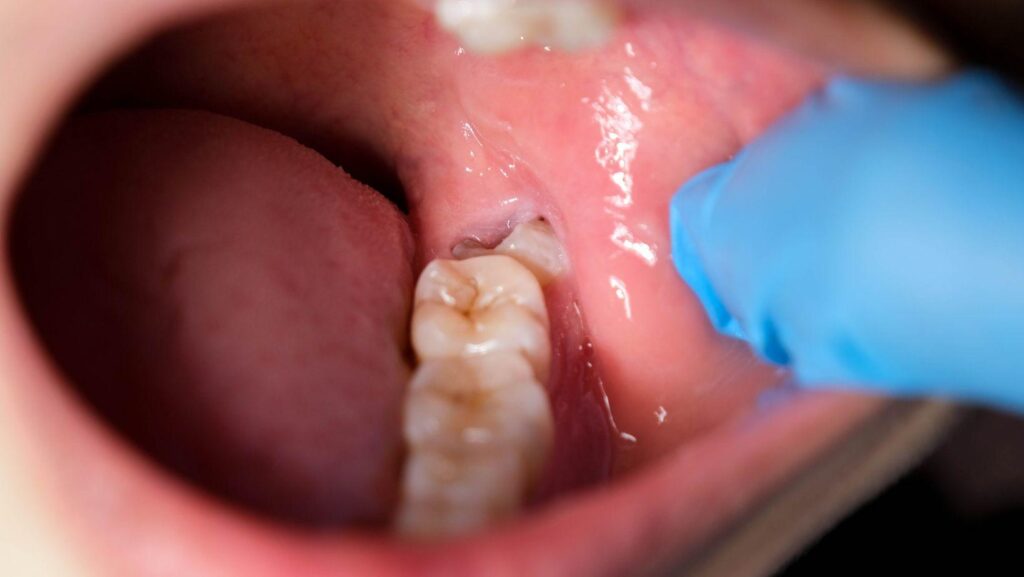
Wisdom teeth can sneak up on you, causing problems quietly. If you’re in your 20s or 30s, it’s worth thinking about when you get them checked out, since recovery, risk of complications, and your long-term oral health all shift as you age.
Dentists usually recommend an evaluation in your late teens or early 20s—before roots finish forming and bone hardens—because recovery tends to be easier and complications are less likely. But if you’re an adult, you can still get safe, effective treatment if you need it.
Let’s break down how wisdom teeth develop, what risks rise if you wait until your 20s or 30s for tooth extraction in Woodbury, MN, and how today’s surgical techniques can affect your recovery and outcomes. Hopefully, this helps you figure out the right timing for your own situation.
Development and Eruption Patterns
Third molars start developing as roots in your late teens. Eruption timing and potential problems depend on your jaw space, tooth angle, and, honestly, your genetics.
It’s helpful to know when these teeth usually show up, how impaction risks change between your 20s and 30s, and what warning signs to watch for.
How Wisdom Teeth Emerge in Early Adulthood
Third molars begin calcifying somewhere between ages 7 and 10. Roots form during the late teens, and the teeth usually break through between 17 and 25.
But everyone’s different. If your jaw’s on the narrow side or your teeth are crowded, the wisdom tooth can get stuck under the gum or erupt at a weird angle.
Dentists rely on panoramic X-rays to track where the tooth sits, how much the roots have developed, and how close everything is to your nerves. That info helps them decide whether to just keep an eye on things or go ahead with extraction.
Key timeline points:
Impaction Risks in Your 20s Versus 30s
In your 20s, the roots usually aren’t finished growing and the bone’s still a bit flexible. That makes extraction easier and recovery quicker.
If you get them out now, you lower your risk of nerve problems and other complications. By your 30s, though, those roots are fully developed. The jawbone’s denser, and extractions get trickier.
There’s a higher chance of nerve injury, dry socket, and a longer healing time. Sometimes, wisdom teeth even pop up late in your 30s if space opens up from shifting teeth or gum recession. But those late arrivals are more likely to be impacted or cause symptoms.
Factors that increase risk with age:
Signs Your Third Molars Are Causing Issues
Pay attention to pain behind your second molar, swollen gums over a wisdom tooth, or recurring infections. If you notice a bad taste or smell, food might be trapped back there.
Sometimes, you’ll see your other teeth shifting, new cavities on the back molars, or gum pockets deepening. Dentists look for signs like impaction on X-rays, cysts, root damage, or the tooth sitting too close to a nerve.
If you keep getting gum infections (pericoronitis), unexplained jaw pain, or infections that won’t clear up, extraction is usually the next step.
Health Impacts of Delayed Extraction
If you wait too long to remove wisdom teeth, you’re more likely to run into surgical complications, infections, and damage to nearby teeth or bone. Recovery can drag out, and the surgery itself often gets more complicated.
Increased Complications With Age
As you leave your early 20s and head into your 30s, wisdom tooth roots thicken and fuse more with the bone. That makes extractions tougher.
Surgery might take longer. The dentist may need to remove more bone or section the tooth to get it out safely.
Older patients often heal slower and deal with more pain afterward. There’s a higher risk of dry socket, infection, or numbness—especially if nerves are close to the roots.
You might need antibiotics for longer, more follow-up visits, or even a referral to an oral surgeon instead of your regular dentist.
Potential for Gum Disease and Tooth Decay
Partially erupted wisdom teeth create little pockets where food and bacteria love to hide. Cleaning those areas well is tough.
That can lead to gum infections, periodontal disease, and cavities—sometimes on both the wisdom tooth and the molar in front of it.
Ongoing inflammation around a wisdom tooth can cause bone loss at the back of your jaw. If you’ve already got some gum disease, a wisdom tooth hanging around can speed up attachment loss. Taking them out sooner narrows the window for decay and gum trouble.
Influence on Adjacent Dental Structures
Impacted or angled wisdom teeth can press on your second molars, leading to crowding, root damage, or worn enamel. You might feel sensitivity, notice new cavities between teeth, or see your orthodontic work start to shift.
Cysts—or, though it’s rare, benign tumors—can form around an impacted tooth and eat away at the bone. If that happens, you could need more involved surgery, maybe even bone grafts or bigger repairs. Removing wisdom teeth earlier lowers the odds you’ll need those fixes later.
Modern Treatment Approaches and Recovery
Let’s talk about how modern surgery techniques make things easier, what recovery looks like in your 20s versus 30s, and some practical tips to dodge dry socket and infection.
Surgical Advances in Wisdom Tooth Removal
Surgeons use imaging like cone-beam CT scans now to map out tooth position, nerve locations, and root shape ahead of time. That helps them plan whether a simple extraction or a sectioned removal is safest, and what kind of anesthesia you’ll need.
Minimally invasive techniques—smaller cuts, targeted bone removal, and tools like ultrasonic instruments—help reduce trauma to your bone and gums. That usually means less bleeding, less swelling, and pain that doesn’t last as long.
Most outpatient cases use local anesthetic with conscious sedation. General anesthesia is more for complex impactions or if you just want to be out cold. You can ask your surgeon about nerve-monitoring or whether a coronectomy (leaving part of a root) makes sense if the nerve’s at risk.
Recovery Expectations for Different Age Groups
If you’re in your 20s, you usually bounce back quicker. Soft tissue heals up fast, bone remodels pretty quickly, and pain peaks in a day or two before fading. Most people are back to normal stuff in 3–5 days, but heavy workouts or contact sports should probably wait a week or two.
In your 30s, healing slows a bit. Swelling and discomfort can last longer, and there’s a higher chance of infection or delayed bone healing. Physically demanding jobs might keep you home 5–7 days.
Take your pain meds and antibiotics if your dentist prescribes them. Ice your jaw for the first day, then switch to gentle heat after 48 hours if you’re still swollen. Stick to soft foods, and don’t use straws for at least a week to keep those blood clots safe.
Mitigating Post-Extraction Complications
Want to avoid dry socket? Skip aggressive rinsing, spitting, and definitely don’t smoke for at least 72 hours. If you do smoke, plan on taking a break for 5–7 days—nicotine really messes with clot stability and, honestly, makes dry socket much more likely.
To keep infection at bay, start gentle salt-water rinses about 24 hours after surgery. Of course, if your surgeon gave you a special rinse, stick with that instead. If you’ve got immune issues, diabetes, or the surgery was messy, don’t forget to finish your antibiotics.
Managing bleeding and pain isn’t too complicated:
If you notice heavy bleeding, pain that worsens after two days, a fever over 38°C (100.4°F), or numbness that just won’t go away, reach out to your surgeon.