
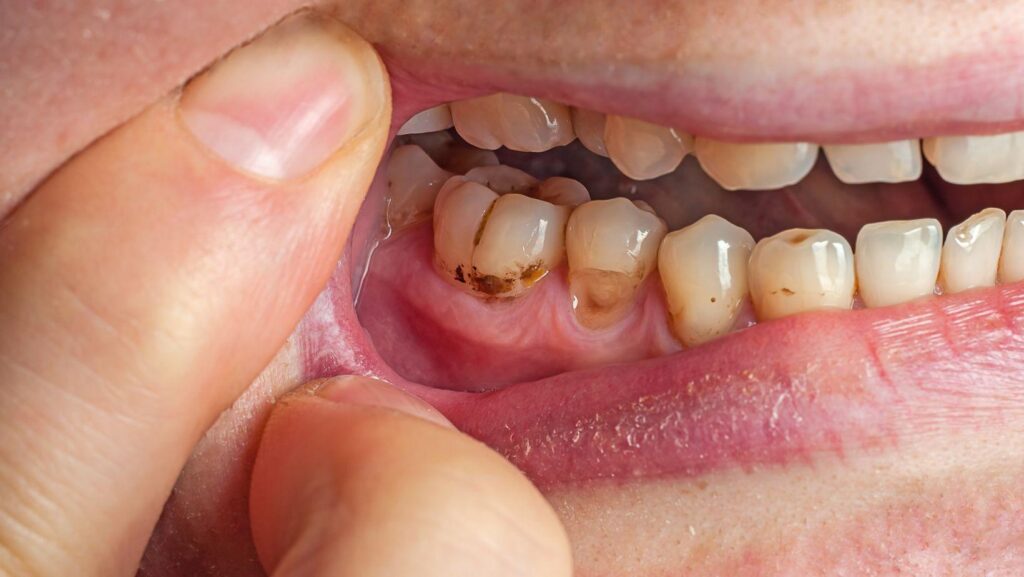
You might brush off a little sensitivity or skip a cleaning, thinking it’s no big deal. But honestly, those small dental issues? They often turn into painful, expensive headaches if you keep putting off care.
If you tackle cavities, gum irritation, or minor tooth pain early, you’ll usually dodge more serious procedures—and save money, time, and a lot of discomfort.
Let’s look at how tiny problems get bigger, the toll of avoiding treatment, and why costs skyrocket as issues advance. It turns out the reasons people avoid the dentist are more common than you’d think—and understanding them is the first step to breaking the cycle. I’ll walk you through when to act, what happens if you don’t, and some practical ways to protect your teeth and your wallet.
Understanding the Progression of Dental Issues
Little signs like sensitivity, a dark spot, or bleeding while brushing often come before bigger problems. If you ignore them, things tend to follow a pretty predictable path—more pain, trickier fixes, and steeper bills.
Stages of Tooth Decay
Decay starts when plaque bacteria make acid that wears down enamel. You might first spot some chalky white patches or feel a quick zing with sweets or cold drinks.
At this stage, you can often reverse the damage with fluoride and better brushing. But if enamel breaks down, a cavity forms and hits the dentin. Sensitivity lingers and chewing can hurt, so you’ll need a filling to stop things from getting worse.
If you leave a cavity alone, it can reach the nerve (pulp) and cause nasty pain, swelling, or even an abscess. Now you’re looking at root canal therapy or extraction—multiple visits, lab work, and a much bigger bill.
Gum Disease Development
Gum disease usually starts as gingivitis. Plaque irritates your gums, making them red, swollen, and likely to bleed when you brush.
You might not feel pain, so bleeding or bad breath might be the first hints. If you don’t get rid of plaque and tartar, inflammation can turn into periodontitis.
Now, gums pull away from teeth, forming pockets that trap even more bacteria. Over time, you lose bone, teeth get loose, and cleanings get longer and more complicated.
At this point, you might need deep cleanings, surgery, bone grafts, or even extractions and prosthetics. Each step adds more procedures, healing time, and—yeah—cost.
How Minor Cavities Escalate
A small cavity usually just needs a quick filling with composite or amalgam. That’s a short appointment and keeps most of your tooth intact.
But if you let it slide, the cavity grows and weakens more of the tooth. Now you’re looking at an onlay, a crown, or maybe a post-and-core after a root canal.
Every step up means more money and a weaker tooth. If the tooth breaks or can’t be saved, you’ll need an extraction and replacement—maybe a bridge, partial, or implant.
Implants work well long-term, but they mean surgery, extra parts, and a much higher upfront cost than a simple filling.
Long-Term Consequences of Delayed Treatment
When you put off care, those small problems just get bigger, more painful, and pricier. You risk losing teeth, infections, and more complicated fixes down the line.
Loss of Teeth and Bone
If you ignore cavities or gum disease, bacteria keep eating away at your teeth and the bone holding them in place. A tiny cavity can reach the pulp and need a root canal. If you still don’t treat it, the tooth might need to come out.
Once a tooth’s gone, the jawbone underneath starts to shrink—sometimes within months. That bone loss makes replacing teeth harder. Implants might need bone grafts and extra surgeries, bumping up the price and time commitment.
It’s just way easier and cheaper to fix things early and keep your natural teeth and bone.
Increased Risk of Infection
Letting decay or gum pockets go untreated gives bacteria a straight shot into deeper tissues. Abscesses can pop up—those bring serious pain, swelling, and sometimes fever.
If an abscess spreads, you might need emergency drainage, antibiotics, or even a hospital stay. Chronic infections can wreck nearby bone and make future dental work a nightmare.
It’s better to jump on infections quickly—root canal, drainage, or extraction—so you avoid bigger health risks and endless antibiotics.
Oral Health Impact on Systemic Diseases
Oral infections and gum inflammation can raise inflammation throughout your body. If you have diabetes, untreated gum disease can mess with your blood sugar and raise the risk of complications.
There’s research linking poor oral health to heart disease and endocarditis, especially if you’re already at risk. People with weak immune systems or chronic illness face even more danger from untreated dental infections.
Keeping your mouth healthy helps lower overall inflammation and supports managing other health issues.
Complexity of Future Dental Procedures
The longer you wait, the more complicated things get. A filling you put off might turn into a crown, then a root canal, then extraction, and finally a bridge or implant.
Each new step means more appointments, more specialists (endodontist, periodontist, oral surgeon), and higher costs. Sometimes you’ll need bone grafts or sinus lifts just to make an implant possible.
Catching problems early usually means less time in the chair, fewer hassles, and way fewer expenses.
Financial Implications Over Time
Putting off dental work turns simple, cheap fixes into big, expensive projects. You end up paying more in fees, making extra trips, and possibly running into insurance limits that leave you footing a big bill.
Rising Treatment Costs
A basic filling might set you back a couple hundred bucks. Wait too long, and that tooth could need a root canal plus a crown—now you’re looking at $1,200–$3,000 or more.
If the infection spreads, you could need an extraction and an implant. Implants often run $3,000–$6,000 per tooth once you add up surgery and prosthetics.
Every extra step adds materials, specialist fees, and longer appointments. Emergency visits cost even more. What started as a small fix can spiral into a money pit.
Insurance Limitations and Out-of-Pocket Expenses
Most dental plans cap annual benefits between $1,000 and $2,000 and only cover half the cost of big procedures—sometimes after a waiting period.
So, for a $4,000 crown or implant, you could owe $2,000–$3,000 out of pocket once you hit your cap and deductibles. Pre-existing rules or waiting periods can shrink your coverage even more if you’ve put off care.
Always check your plan’s frequency limits and annual max before assuming insurance will cover advanced work.
Cost Comparison: Early vs. Delayed Care
Here’s a quick breakdown (rough numbers):
Paying for small fixes now usually keeps your lifetime dental costs lower. Waiting multiplies both direct and indirect costs—think lost work time and extra travel. Always review your plan and get estimates for both simple and advanced options.
Emotional and Lifestyle Effects
Delaying dental care doesn’t just hurt your mouth—it can mess with your mood, your meals, and your entire routine. Pain, embarrassment, and eating struggles tend to pile up and feed off each other.
Chronic Pain and Discomfort
Untreated decay, cracked teeth, or gum infections can lead to constant toothache and jaw pain. You might get throbbing pain during meals or at night, lose sleep, or even get headaches from jaw tension.
A lot of people end up reaching for painkillers just to get by. But that can hide how bad things are getting, making it more likely you’ll need a root canal, extraction, or even surgery down the line.
Self-Esteem and Social Challenges
Visible tooth damage, gaps, or stains can make you want to hide your smile. Maybe you skip photos, avoid networking, or hold back at work because you’re worried about how you look or your breath.
That kind of social withdrawal can hurt your job prospects and relationships. You might turn down invites, talk less in meetings, or avoid dating—habits that can chip away at your confidence over time.
Dietary Restrictions
When your teeth hurt or feel loose, you start changing what you eat. Crunchy fruits, raw veggies, nuts, or tough meats might be off the menu, so you end up with softer, more processed foods.
That shift can mess with digestion, weight, and energy levels. You might start eating smaller portions, snacking more, or sticking to liquids—any of which can throw off your nutrition and blood sugar.
So, is it really worth the risk? Sometimes, a quick fix today can save you a world of trouble tomorrow.
Impact on Daily Routines
Dental problems can throw your day off without warning. One minute you’re fine, and the next you’re scrambling for an emergency dentist or missing work.
You might have to shuffle meetings just to fit in an appointment. Sometimes, pain flares up and you end up bailing on social plans.
If a simple filling turns into a root canal or even an extraction, you’re looking at more recovery time. Suddenly, you’re picking up antibiotics, eating mushy food, and figuring out how to handle downtime.
Maybe you’ve got to sort out childcare or ask someone to cover for you at work. And of course, there’s always the worry about losing income.