
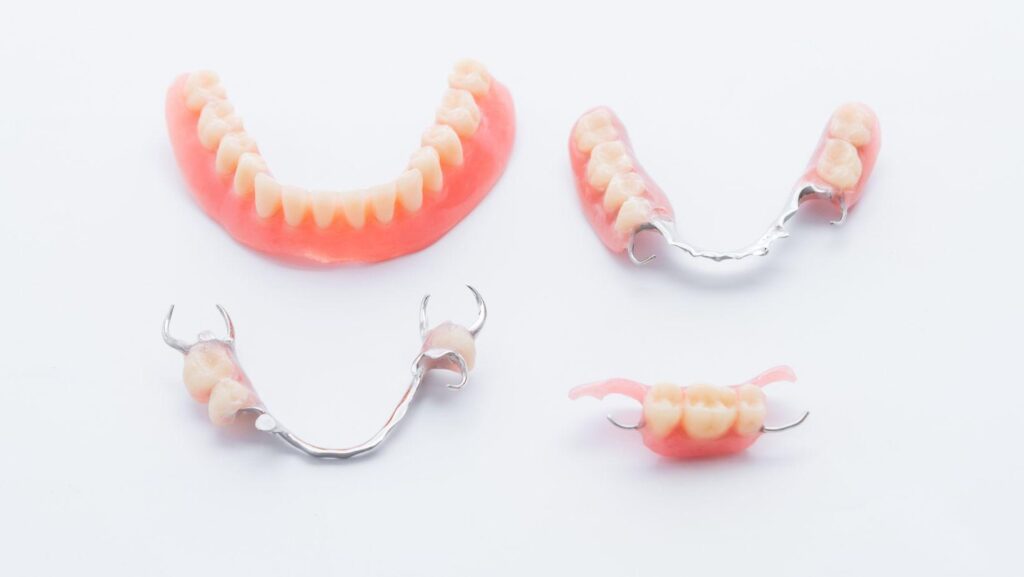
Choosing between immediate and conventional dentures changes how you look, feel, heal, and pay. Immediate dentures mean you walk out with teeth the day your old ones come out. Conventional dentures? You wait for the gums to heal, but the fit is usually better.
You'll have to balance convenience now versus a more reliable fit later. A dentist like Otero Cosmetic and Implant Dentistry in Wilmington, NC can walk you through which denture timing fits your healing, your look, and your budget. Let's dig into the timing, oral health, aesthetics, durability, and who might be happiest with each option.
Key Differences in Denture Placement Timing
You’ll decide whether to get new teeth right away or wait for your gums to settle down first. That choice shapes how well they fit, how many tweaks you’ll need, and how soon you can actually eat like a normal person again.
Procedure Overview
Dentists make immediate dentures ahead of time using impressions, then pop them in right after extractions. You don’t have to go toothless, even for a day. Your dentist will probably trim the denture right there to get rid of any obvious sore spots and protect the fresh extraction sites.
With conventional dentures, you wait six to twelve weeks for your mouth to heal before the dentist takes final impressions. That way, the lab works with a stable gum shape and can focus on how your teeth come together—no guessing about swelling or shrinking.
Adjustment Phase
Immediate dentures need lots of early adjustments. Your jaw and gums change fast after extractions, so expect to visit the dentist every few days or weeks for tweaks during the first couple of months. Soreness, loose spots, and pressure ulcers are normal until things settle down.
Conventional dentures usually need fewer early tweaks because they’re made after everything’s healed. You might still need a few bite adjustments or some polishing, but relines aren’t urgent. Down the road, both types need relining as your bone changes, but conventional dentures usually start off more stable.
Timeline for Full Functionality
Immediate dentures give you a smile and basic function right away, but real chewing takes a few months. You’ll start with soft foods and need a little patience as your mouth gets used to the new setup.
With conventional dentures, you’ll wait for healing—six to twelve weeks is common—before you get your teeth. But once you have them, eating and talking often feel more natural right off the bat. Long-term success depends on keeping them fitting well and learning to use them.
Impact on Oral Health and Patient Comfort
Immediate dentures mean you don’t have to leave the office toothless, but you’ll probably deal with more sore spots and shifting as your mouth heals. Conventional dentures take longer, but they usually fit better in the long run.
Gum and Bone Changes
After extractions, your gums and bone start shrinking and reshaping themselves. Immediate dentures sit on swollen tissue, so they get looser as things heal, and you’ll probably need several relines or maybe even a new set within half a year. That means more time in the chair and more chances for sore spots.
Conventional dentures fit the final shape of your gums, so you skip a lot of that early hassle. You’re less likely to get pressure sores, and you don’t need as many adjustments right away. If your bone is already thin or you’re thinking about implants, ask about temporary relines or even an implant-supported denture to keep things comfortable.
Speech and Chewing Adaptation
Immediate dentures give you teeth right away, but talking and eating will feel weird at first. You’ll probably notice your “s,” “sh,” and “th” sounds come out funny for a few days. Start with soft, easy-to-chew foods and work up to tougher stuff as you get used to it.
Conventional dentures usually take less getting used to since they match your healed mouth. Chewing and speaking still feel different, but most folks adjust faster. Reading out loud, practicing tricky words, and chewing on both sides help you adapt and keep your frustration in check.
Aesthetic Considerations and Longevity
Immediate dentures mean you don’t have to hide your smile after extractions, but the way they look and fit changes as your mouth heals. Conventional dentures start later but tend to look and feel better for the long haul.
Appearance During Healing
Immediate dentures fill the gap right after extractions, so you don’t have to worry about missing teeth in photos or at work. But as your gums shrink, you might see gaps or feel looseness in the first few months, and you’ll need a few relines or adjustments.
The dentist plans the look and color before extractions, so sometimes you have to compromise a bit on appearance to make sure they’re easy to remove and allow healing. Plan to go back for checkups at one to two weeks, then again at six to eight weeks, and once more at three to six months for relines and bite adjustments.
Long-Term Maintenance
Conventional dentures usually need fewer early adjustments since they’re built for your healed gums. Both types need periodic relining every year or two as your mouth changes shape. The schedule depends on how fast your bone shrinks and how often you wear your dentures.
Keep your denture clean with a soft brush and nonabrasive cleaner, and soak it overnight. Replace worn or discolored teeth—or the whole denture—when it starts affecting how you look or chew, which happens every five to eight years for most people.
Cost, Accessibility, and Candidacy Factors
Immediate dentures cost more up front and usually mean more follow-up visits. Conventional dentures are cheaper at first, but you’ll have to wait for healing and might need fewer early tweaks.
Upfront and Ongoing Costs
Immediate dentures are pricier because you’re paying for extractions and new teeth all at once. Typical costs per arch run from $1,500 to $1,900, and you’ll want to set aside another $300 to $500 for a reline as your gums shrink.
Conventional dentures usually cost less at the start since you’re not dealing with swelling or extra chair time. Prices vary a lot depending on materials and labs. Both types will need relines, repairs, and eventual replacement every five to ten years. Double-check your dental insurance or discount plan—some cover extractions, temporary teeth, or relines, which can save you a chunk of money.
Eligibility and Suitability
You might qualify for immediate dentures if you’re having several teeth pulled and really don’t want to walk around with a gap while things heal. Dentists usually check your bone level, gum health, and infection risk; if you’ve got poor bone support or active gum disease, immediate dentures might be off the table.
Conventional dentures work best for folks who don’t mind a temporary gap and want a snugger fit once their gums settle down. Some medical issues—like uncontrolled diabetes or certain meds (think bisphosphonates)—can mess with healing and affect when or if you get extractions.
It’s a good idea to talk through your oral health, medical background, and daily habits with your dentist. That way, you can figure out which option actually makes sense for your life.